
Thinking
MAXIMIZING LEGAL SUCCESS: UNDERSTANDING BRAIN HEALTH & NEUROPLASTICITY

06
Nov
Nov
As a legal professional, your brain is arguably your most valuable asset. It is vital to optimise brain health not only for your cognitive prowess but also for your overall wellbeing.
The brain is a muscle that can move the world. – Stephen KingThe Significance of Brain Health Your brain, the command center of your body, is in charge of keeping your heart beating, your lungs breathing, and allows you to move, feel and think. Therefore, it’s little surprise to say that brain health is paramount to your life quality. Brain health influences our thoughts, feelings, capabilities, and experiences. Reduced brain health can lead to cognitive decline, negatively influencing your ability to work in the field of law where precision and analytical skills are critical. Chronic stress can have detrimental effects on brain health and cognitive abilities. Being consistently under chronic stress can lead to changes in brain structure and function associated with reduced cognitive function and mental performance. It’s particularly harmful for legal professionals who need to perform high-level cognitive tasks, such as reasoning, problem-solving, and decision-making. But there’s good news. The brain is not a static organ, it’s dynamic and continuously changes throughout life due to a property known as neuroplasticity. Neuroplasticity is the brain’s ability to reorganise itself, forming new neural connections throughout life. It enables the neurons (nerve cells) in the brain to compensate for injury and disease, adjust their activities in response to new situations or changes in the environment. What is Neuroplasticity? In the simplest terms, it is your brain’s capacity to modify itself. This includes forming new neural connections throughout life and adjusting its activities in response to new situations or to changes in the environment. Neuroplasticity provides a neurological foundation for re-learning and maintaining brain fitness. Having your brain adapt to new situations is vitally crucial, especially for legal professionals who routinely face complex and d
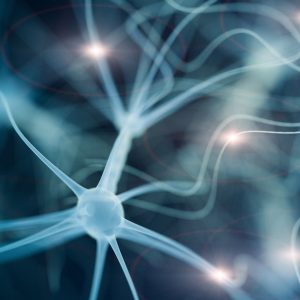 ynamic cases. This capacity to adjust and learn can be the difference between a win and a loss in the courtroom. This eventually translates into greater career satisfaction and personal fulfillment.
The current understanding of brain health is that it refers to the overall well-being and functioning of the brain. It encompasses various factors such as the structure, chemistry, and connectivity of the brain, as well as its ability to perform cognitive functions.
Research has shown that brain health plays a significant role in cognitive function. When the brain is healthy, it can efficiently process and transmit information, leading to improved cognitive abilities. On the other hand, poor brain health can negatively impact cognitive function, resulting in difficulties with attention, memory, and other cognitive processes.
The impact of brain health on cognitive function is evident in various aspects of daily life. For example, individuals with good brain health tend to have better focus and concentration, allowing them to perform tasks more effectively. They also have enhanced memory, enabling them to retain and recall information more efficiently. Additionally, individuals with optimal brain health often exhibit better problem-solving skills and decision-making abilities.
Maintaining brain health is essential for legal professionals as their work demands high levels of cognitive function. The ability to analyze complex information, think critically, and make sound decisions are crucial skills in the legal field.
By prioritising brain health, legal professionals can enhance their cognitive abilities, leading to improved performance in their work.
Neuroplasticity, the brain’s ability to adapt and change, is closely linked to brain health and cognitive function. It refers to the brain’s capacity to reorganise its structure and connections in response to experiences, learning, and environmental factors. Neuroplasticity allows the brain to form new neural pathways, strengthen existing connections, and even compensate for damage or decline in certain areas.
Understanding the concept of neuroplasticity is vital because it highlights the brain’s potential for growth and improvement throughout life. By engaging in activities that promote neuroplasticity, individuals can enhance their brain health and cognitive function. This is particularly relevant for legal professionals who can benefit from continuously developing their cognitive abilities to meet the demands of their profession.
Equally important in the discussion of neuroplasticity is an essential protein called Brain-Derived Neurotrophic Factor, or BDNF. BDNF acts as a vital nutrient for the brain, stimulating the growth and development of new neurons and synapses, and playing a crucial role in maintaining and enhancing neuroplasticity. As a result, higher levels of BDNF can significantly contribute to a more adaptable brain, improving mental performance and cognitive resilience.
To increase BDNF levels, several strategies can be employed, such as participating in regular physical exercise, practicing mindful meditation, maintaining a balanced diet rich in omega-3 fatty acids and antioxidants, ensuring adequate sleep, and engaging in continuous learning and mental challenges.
Maintaining Brain Health and Promoting Neuroplasticity
So, how can one maintain brain health and stimulate neuroplasticity?
Here are a few strategies:
ynamic cases. This capacity to adjust and learn can be the difference between a win and a loss in the courtroom. This eventually translates into greater career satisfaction and personal fulfillment.
The current understanding of brain health is that it refers to the overall well-being and functioning of the brain. It encompasses various factors such as the structure, chemistry, and connectivity of the brain, as well as its ability to perform cognitive functions.
Research has shown that brain health plays a significant role in cognitive function. When the brain is healthy, it can efficiently process and transmit information, leading to improved cognitive abilities. On the other hand, poor brain health can negatively impact cognitive function, resulting in difficulties with attention, memory, and other cognitive processes.
The impact of brain health on cognitive function is evident in various aspects of daily life. For example, individuals with good brain health tend to have better focus and concentration, allowing them to perform tasks more effectively. They also have enhanced memory, enabling them to retain and recall information more efficiently. Additionally, individuals with optimal brain health often exhibit better problem-solving skills and decision-making abilities.
Maintaining brain health is essential for legal professionals as their work demands high levels of cognitive function. The ability to analyze complex information, think critically, and make sound decisions are crucial skills in the legal field.
By prioritising brain health, legal professionals can enhance their cognitive abilities, leading to improved performance in their work.
Neuroplasticity, the brain’s ability to adapt and change, is closely linked to brain health and cognitive function. It refers to the brain’s capacity to reorganise its structure and connections in response to experiences, learning, and environmental factors. Neuroplasticity allows the brain to form new neural pathways, strengthen existing connections, and even compensate for damage or decline in certain areas.
Understanding the concept of neuroplasticity is vital because it highlights the brain’s potential for growth and improvement throughout life. By engaging in activities that promote neuroplasticity, individuals can enhance their brain health and cognitive function. This is particularly relevant for legal professionals who can benefit from continuously developing their cognitive abilities to meet the demands of their profession.
Equally important in the discussion of neuroplasticity is an essential protein called Brain-Derived Neurotrophic Factor, or BDNF. BDNF acts as a vital nutrient for the brain, stimulating the growth and development of new neurons and synapses, and playing a crucial role in maintaining and enhancing neuroplasticity. As a result, higher levels of BDNF can significantly contribute to a more adaptable brain, improving mental performance and cognitive resilience.
To increase BDNF levels, several strategies can be employed, such as participating in regular physical exercise, practicing mindful meditation, maintaining a balanced diet rich in omega-3 fatty acids and antioxidants, ensuring adequate sleep, and engaging in continuous learning and mental challenges.
Maintaining Brain Health and Promoting Neuroplasticity
So, how can one maintain brain health and stimulate neuroplasticity?
Here are a few strategies:
- Practice Mindful Meditation
 indful meditation, is an excellent practice for keeping your brain sharp and healthy. Through regular meditation, you provide your mind with the opportunity to strengthen, relax, and rebuild itself. It is akin to brain gym, wherein regular exercise stimulates neuroplasticity and contributes to overall brain health.
It’s important to note that fostering brain health doesn’t necessarily require you to delve into formal meditation practices. Sometimes, simply retreating from the world to sit quietly with your thoughts can deliver similar benefits. Immersing yourself in quiet solitude allows your brain to unwind, promoting relaxation, boosting creativity, and enhancing problem-solving abilities – all essential skills for a legal professional.
While formal meditation can help foster mindfulness and concentration, integral to neuroplasticity, you can also promote your brain’s flexibility and responsiveness by welcoming stillness into your life. As you sit silently, allowing your thoughts to flow freely, you’re giving your brain a precious opportunity to reorganise and optimise its neural connections.
indful meditation, is an excellent practice for keeping your brain sharp and healthy. Through regular meditation, you provide your mind with the opportunity to strengthen, relax, and rebuild itself. It is akin to brain gym, wherein regular exercise stimulates neuroplasticity and contributes to overall brain health.
It’s important to note that fostering brain health doesn’t necessarily require you to delve into formal meditation practices. Sometimes, simply retreating from the world to sit quietly with your thoughts can deliver similar benefits. Immersing yourself in quiet solitude allows your brain to unwind, promoting relaxation, boosting creativity, and enhancing problem-solving abilities – all essential skills for a legal professional.
While formal meditation can help foster mindfulness and concentration, integral to neuroplasticity, you can also promote your brain’s flexibility and responsiveness by welcoming stillness into your life. As you sit silently, allowing your thoughts to flow freely, you’re giving your brain a precious opportunity to reorganise and optimise its neural connections.
- Stay Physically Active
- Maintain a Balanced Diet
- Get Adequate Sleep
- Limit Alcohol Intake
- Mind-Stimulating Activities
 You can also try to memorize phone numbers or cards in a deck. This not only helps to improve your memory but can also enhance your attention to detail – a skill crucial for legal professionals.
Remember, it’s not about the difficulty of these activities, but rather about presenting your brain with novel stimuli to foster its growth and flexibility. Even the simplest task can provide your brain with an essential workout.
Imagine this: You’re a busy legal professional who’s spent years mastering the law, but when faced with a simple task like changing a flat tire, you are at a loss. Why? You’ve allowed those practical skills to atrophy, focusing solely on your legal expertise. This illustrates a key principle of brain health – “use it or lose it”. If a skill isn’t utilised, it can become dull or even forgotten completely. And it’s not only about maintaining previously learned skills, but also about constantly challenging your brain with new tasks and information to promote neuroplasticity.
This isn’t to say that you should trade your law books for a mechanic’s toolset. Rather, it’s about balancing your mental demands. Engaging in a hobby or activity outside your professional sphere can work wonders for your brain health. Consider dabbling in something practical, like gardening, cooking, or DIY home projects. These activities require a different set of cognitive tools than your legal work and can be surprisingly beneficial for your brain health. They present opportunities to learn and apply new concepts, fostering the growth and resilience of your brain. Remember, challenging your brain with varied tasks isn’t just good for you, it’s essential.
You can also try to memorize phone numbers or cards in a deck. This not only helps to improve your memory but can also enhance your attention to detail – a skill crucial for legal professionals.
Remember, it’s not about the difficulty of these activities, but rather about presenting your brain with novel stimuli to foster its growth and flexibility. Even the simplest task can provide your brain with an essential workout.
Imagine this: You’re a busy legal professional who’s spent years mastering the law, but when faced with a simple task like changing a flat tire, you are at a loss. Why? You’ve allowed those practical skills to atrophy, focusing solely on your legal expertise. This illustrates a key principle of brain health – “use it or lose it”. If a skill isn’t utilised, it can become dull or even forgotten completely. And it’s not only about maintaining previously learned skills, but also about constantly challenging your brain with new tasks and information to promote neuroplasticity.
This isn’t to say that you should trade your law books for a mechanic’s toolset. Rather, it’s about balancing your mental demands. Engaging in a hobby or activity outside your professional sphere can work wonders for your brain health. Consider dabbling in something practical, like gardening, cooking, or DIY home projects. These activities require a different set of cognitive tools than your legal work and can be surprisingly beneficial for your brain health. They present opportunities to learn and apply new concepts, fostering the growth and resilience of your brain. Remember, challenging your brain with varied tasks isn’t just good for you, it’s essential.
- Social Interactions
- Regular Mental Breaks
- Use Break Alerts – There are many apps and tools available that, at set intervals, remind you to take a break. It might be something as simple as standing and stretching, doing some deep breathing, or even having a quick walk around your room.
- Be Mindful of Your Environment – If you’re working from home, make sure to step away from your workspace during breaks. It’s much easier on your brain to relax when it’s not in the same space where you do most of your thinking and problem-solving.
- Practice Relaxation Techniques – Short meditation sessions, yoga stretches, or mindful breathing exercises can significantly lift mental fog and provide a refreshing rest for your mind
- Power Naps – If you’re able, taking a quick 15 to 20-minute nap can do wonders to replenish mental alertness. However be mindful, that naps longer than 30 minutes may make you feel groggy.
- Continues learning and intellectual stimulation
Neuroplasticity for Legal Professionals
The advantage of neuroplasticity is that it’s not a rare, elusive phenomenon. In fact, it’s happening within your brain right now. Neuroplasticity transforms every piece of new data, every nugget of insight or skill you acquire, into physical changes to your brain’s structure. The law is an ever-evolving field, perpetually changing to meet society’s shifts and developments. Legal Professionals, therefore, regularly need to assimilate and process vast volumes of new information. Over time, this intricate dance of learning, adapting, unlearning, and relearning paves the path for enhanced neuroplastic capacity. Indeed, every twist and turn, every revision in your knowledge repository, and every novel legal case involuntarily fosters your brain’s neuroplastic capability. You are already in the thick of this compelling intellectual exercise, constantly sculpting and resculpting your neural networks.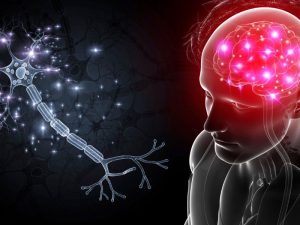 Yet, it is incumbent upon you to not only recognise this inherent gift but to harness it, empower it, and, crucially, protect it.
As you delve into the depths of your profession, the road diverges – one path leads you to legal prowess, sharpened cognitive abilities, and heightened career satisfaction; the other heads towards burnout, cognitive decline, and significant work-related stress.
The CHOICE is clear and lies entirely in your hands.
You are in control of which path you tread on, shaping your brain health and fostering your neuroplasticity or burnout, stress and cognitive decline?
You can harness your mind’s extraordinary capabilities while also ensuring your cognitive wellbeing.
In conclusion, brain health and neuroplasticity aren’t just scientific concepts limited to the realm of neuroscientists. These are incredibly relevant and directly applicable to the lives and careers of legal professionals.
By understanding and applying knowledge about brain health and neuroplasticity, legal professionals can maximise their professional potential and wellness.
At Professional Mind Resilience Institute’s Brain Health Division, we specialise in optimal brain health for the legal professional. Legal professionals are encouraged to harness the power of your brain to amplify your cognitive abilities, sharpen your focus and enhance decision-making, thereby elevating your professional practice and life.
As a legal professional, nurturing your brain health should be your biggest priority.
Yet, it is incumbent upon you to not only recognise this inherent gift but to harness it, empower it, and, crucially, protect it.
As you delve into the depths of your profession, the road diverges – one path leads you to legal prowess, sharpened cognitive abilities, and heightened career satisfaction; the other heads towards burnout, cognitive decline, and significant work-related stress.
The CHOICE is clear and lies entirely in your hands.
You are in control of which path you tread on, shaping your brain health and fostering your neuroplasticity or burnout, stress and cognitive decline?
You can harness your mind’s extraordinary capabilities while also ensuring your cognitive wellbeing.
In conclusion, brain health and neuroplasticity aren’t just scientific concepts limited to the realm of neuroscientists. These are incredibly relevant and directly applicable to the lives and careers of legal professionals.
By understanding and applying knowledge about brain health and neuroplasticity, legal professionals can maximise their professional potential and wellness.
At Professional Mind Resilience Institute’s Brain Health Division, we specialise in optimal brain health for the legal professional. Legal professionals are encouraged to harness the power of your brain to amplify your cognitive abilities, sharpen your focus and enhance decision-making, thereby elevating your professional practice and life.
As a legal professional, nurturing your brain health should be your biggest priority.
The brain is like a muscle. When it is in use, we feel very good. Understanding is joyous. – Carl Sagan
PMRI Insights
If this was useful, there is one like it every month.
One idea, one practical habit, and the month's articles from the PMRI Library. Written for legal professionals under pressure.